Table Of Content
- How to become an interior designer
- How to Become an Interior Designer
- Things to Know Before Becoming an Interior Designer
- How to Become a Licensed, Registered, or Certified Interior Designer
- Utilizing Skills from the Fashion Industry
- Stay Current and Continue Your Education
- Earn a Degree in Interior Design
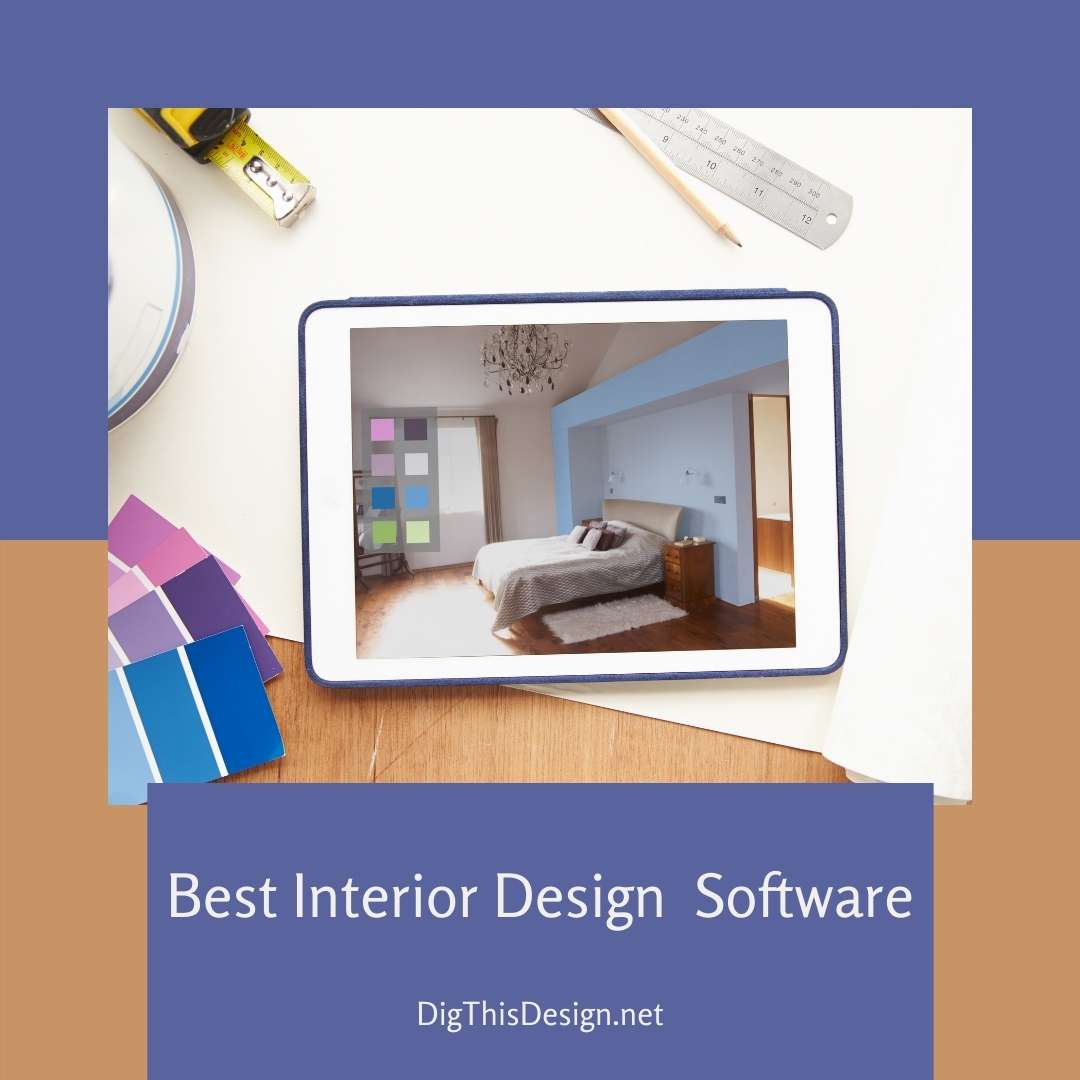
These programs train students in color theory, lighting, computer-aided design, and interior aesthetics. Working closely with clients, interior designers create practical and beautiful indoor spaces. They analyze blueprints and work within building codes to design welcoming spaces.
How to become an interior designer
However, students are required to pass a selective portfolio review in the spring of their sophomore year to advance to upper level design and complete this major. Selection is competitive and is based on the student’s work in Purdue art and design courses and development as a designer. Students not selected for upper level Interior Design work with their academic advisor to change to their second choice major.
How to Become an Interior Designer
The best way to make yourself attractive to clients is by building a strong portfolio. In whichever degree program you choose, part of the program should also be about creating a solid portfolio to showcase your skills and design ideas. You’ll want to take high-quality photographs of all of your work and package them attractively on your website and in a digital presentation. The very best degree programs will also include internships that will help you to build your professional portfolio, which is just as important to have as your degree. But no matter which degree program you choose, you should make sure you choose an accredited institution. Many degree programs will also offer a variety of concentrations, which will allow you to hone your skills on one specific area, such as bathroom design or environmentally sustainable materials.
Things to Know Before Becoming an Interior Designer
You need to have a Bachelor’s or Master’s Degree in Interior Design and two years of full-time work experience. First, you should build a website to showcase your past projects and provide contact information for potential clients. CareerExplorer’s step-by-step guide on how to become an interior designer. Another way to remain relevant and constantly evolve yourself as a designer is to stay current with interior design trends by subscribing to design mags like AD and Interior Design or specialized trade publications like Hospitality Design.
How to Become a Licensed, Registered, or Certified Interior Designer
Your Definitive Guide to Interior Design CEUs - Architectural Digest
Your Definitive Guide to Interior Design CEUs.
Posted: Mon, 06 Jul 2020 07:00:00 GMT [source]
CCIDC will keep application and test results on file until Candidate provides proof of completion of remaining qualifications to certify. According to the Bureau of Labor Statistics, there is a projected growth of 4 percent between 2014 and 2024. There are also some voluntary certifications you can get if you have a business that focuses on one specialty of interior design. These are commonly available through professional and trade associations and are a good way to make your business look better with a certified seal of approval from a trusted organization.
Interior design is based on solving problems related to the quality of people’s physical environment within a structure to achieve interior space. These solutions are functional, enhance the quality of life and culture of the occupants, and are aesthetically appealing. Students in Purdue’s interior design program develop the analytical skills and gain the experience to plan commercial, institutional, healthcare, retail, and residential interiors.
Stay Current and Continue Your Education
There are no licensing requirements involved for interior decorating. A portfolio is an extension of your resume, providing potential employers or clients with real examples of the quality of your Interior Design skills. Take extensive photos before and after every project, along with notes on the changes that you made to the interior.
Gain Practical Experience
(e) The council may establish application fees, renewal fees, and other fees related to the regulatory costs of providing services and carrying out the council’s responsibilities and duties pursuant to this chapter. These fees shall not exceed the reasonable costs to the council of providing those services and carrying out those responsibilities and duties. The myPurduePlan powered by DegreeWorks is the knowledge source for specific requirements and completion. Students must achieve “C” or better in each course required by the major. You may be eligible to waive a limited number of courses if you have already taken equivalent coursework from another accredited institution.
Earn a Degree in Interior Design
The Council for Interior Design Accreditation grants accreditation to interior design programs. Designers need a strong artistic eye and a creative approach to design. Clients also look for design professionals with solid communication and interpersonal skills. An important part of the job is interacting with clients and collaborating with architects, designers, and engineers.
As we mentioned earlier, feel free to adjust our job description for an interior designer template however you need based on the role you’re hiring for or the job you desire. Our list includes a summary of interior designer job responsibilities, an outline of job duties of an interior designer, as well as preferred skills, education and experience and physical requirements needed. (2) The council may require Certified Interior Designers to complete continuing education specific to the practice of interior design each two-year certification cycle. Special note regarding portfolio review - An art portfolio is not required to begin this major.
Some other states allow both to work, but will only allow licensed professionals to use the “interior designer” title. An interior designer is a person who works on architecture and interior space. The interior designer develops the plans, researches, coordinates, and manages the projects. They focus on space planning all the while creating cohesive and aesthetically pleasing design ideas for homes and businesses. As an interior designer, you can focus on specializing in a particular design field, whether that be residential interior design, commercial, environmental designs, and much more. Many interior designers start their careers by enrolling in an interior design program.
You’ll learn to consider things like traffic flow, lighting design, acoustics, and the social and psychological needs of a given space and its occupants. Also, while an interior decorator simply decorates a space, interior design goes much deeper. An interior designer will design and create living and working spaces as well as many other building projects. These may be homes and apartments, corporate offices, theaters, and more. It takes creativity, the ability to work independently and with contractors, a good eye and ear to listen to your client’s needs then bring them to life. Becoming an interior designer typically involves a degree, a specialized certification and job experience— or sometimes just an eye for design!


No comments:
Post a Comment